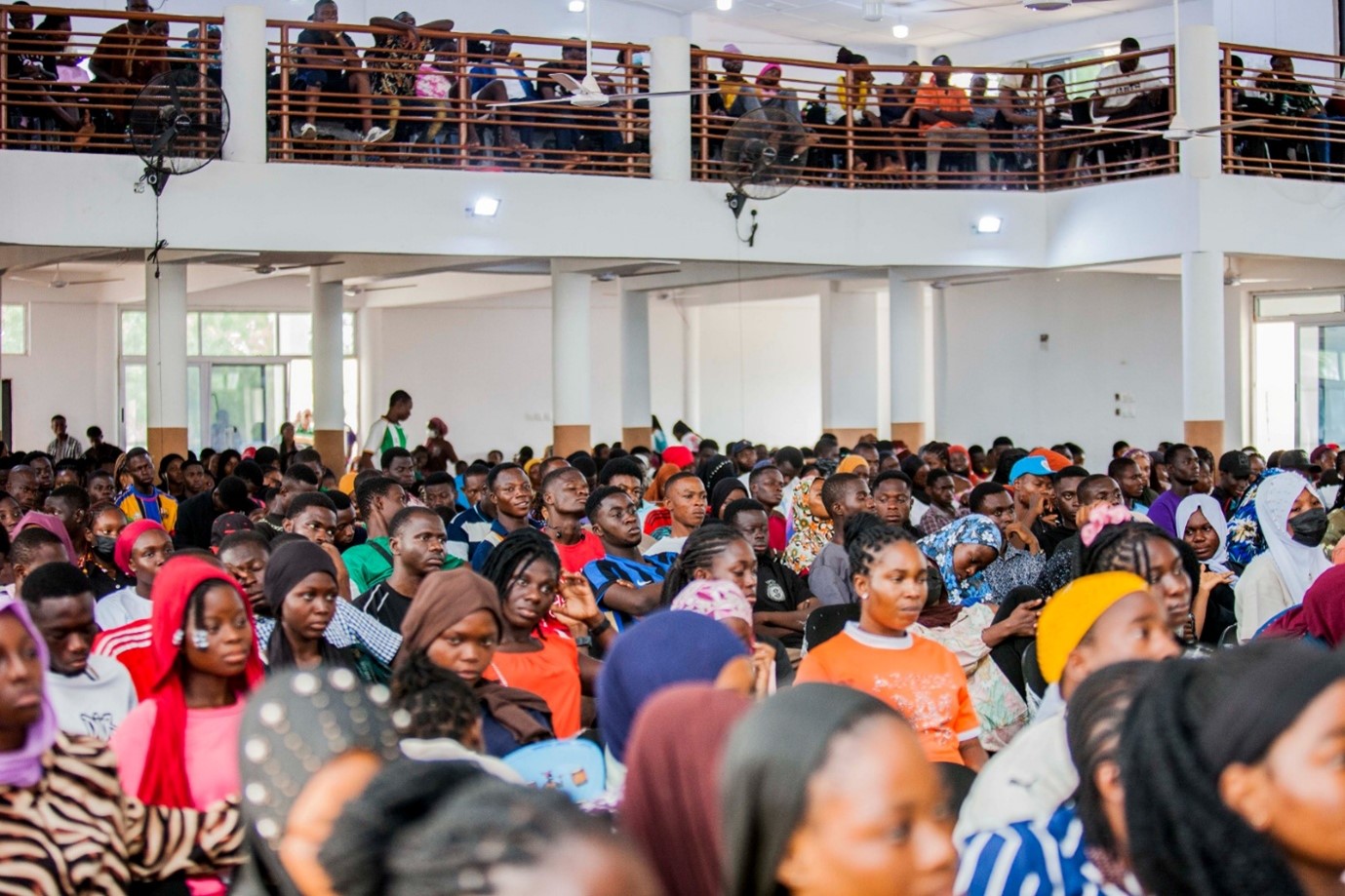
The University for Development Studies has held an orientation programme for more than 6,000 students ahead of the of over 11,000 deployment to various communities across Ghana under the University’s flagship Third Trimester Field Practical Programme and Community-Based Education and Service initiative.
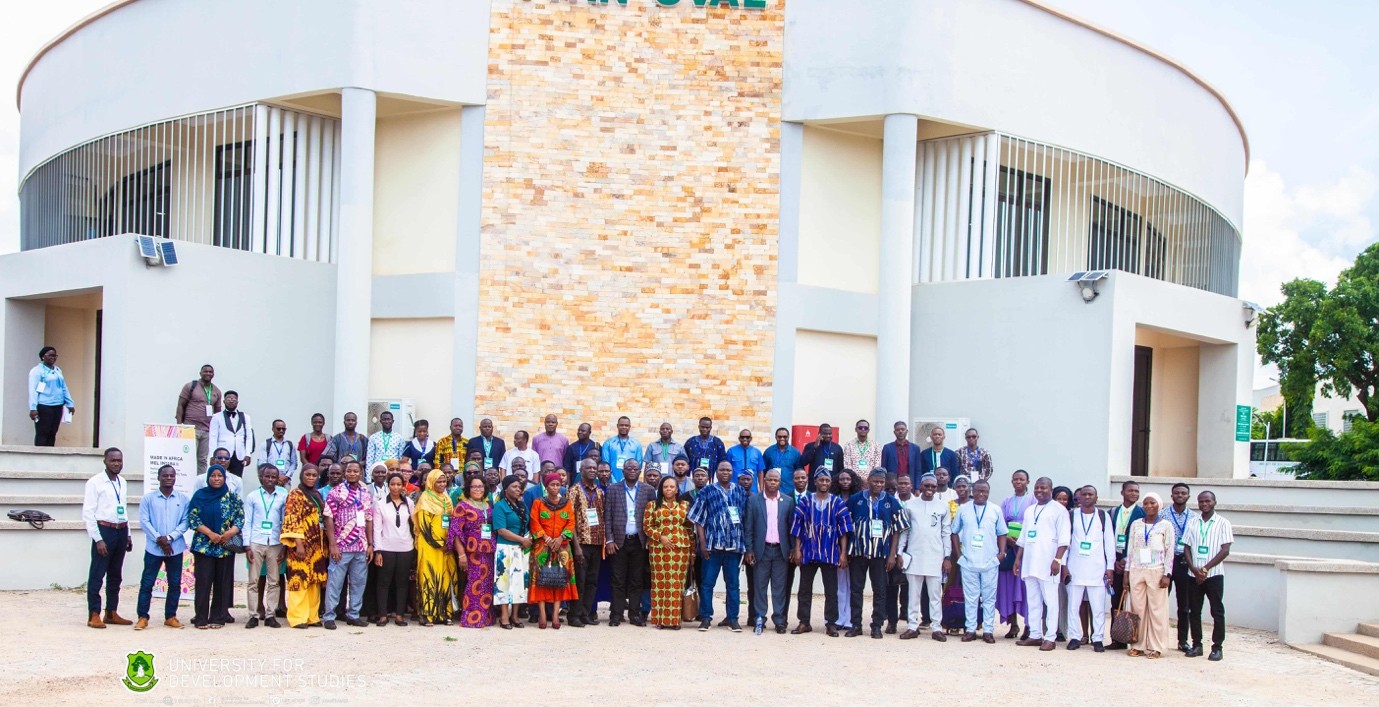
The orientation, held at the St. John Bosco College of Education in Navrongo, brought together students, Management of the University, Deans, Directors, regional officials, development partners, education stakeholders and representatives of host institutions.
This year, the University is deploying a total of 11,498 students to 1,150 rural communities across selected parts of the country. According to the Vice-Chancellor Prof Seidu Alhassan, the deployment comprises 6,139 Level 100 students who will serve in 25 districts in parts of the Upper East and Upper West Regions, and 5,359 Level 200 students who will be deployed to 11 districts in the Bono East and Bono Regions.
The TTFPP remains one of the most defining features of the UDS academic calendar. It is not merely an outreach exercise, but a compulsory academic requirement for undergraduate students. The programme carries six credits and is designed to blend academic training with real-life community engagement. Through it, students live in communities, interact with local people, identify development challenges and propose sustainable solutions.
In his welcome address, the Upper East Regional Minister, Hon. Donatus Akamugri Atanga, welcomed the University, its Management and students to the region, and commended UDS for sustaining a practical model of higher education that connects the classroom to the real needs of communities. He assured the University of the readiness of the Regional Coordinating Council and the people of the Upper East Region to support the students during their stay.

There were also fraternal messages from the Registrar of St. John Bosco College of Education, the Upper East Regional Director of Education, a representative of UNICEF, a representative of the OR Foundation, and other speakers. Their messages generally centred on the importance of discipline, community service, partnership, child protection, education, social responsibility and the need for students to approach their field work with humility and seriousness.
The UNICEF representative highlighted the value of using the TTFPP platform to deepen community education, especially around issues affecting children and vulnerable groups. The representative of the OR Foundation also spoke about the Foundation’s collaboration with UDS, particularly in relation to community sensitisation on the Kayayei phenomenon and its wider social consequences.
Chairman for the occasion, the Pro Vice-Chancellor of UDS, Prof. Elliot Haruna Alhassan, expressed delight at the comportment of the students during the orientation. He said the discipline they had shown was a good indication of their preparedness for the assignment ahead. He urged them to remain worthy ambassadors of the University and to represent UDS well in every community to which they would be posted.
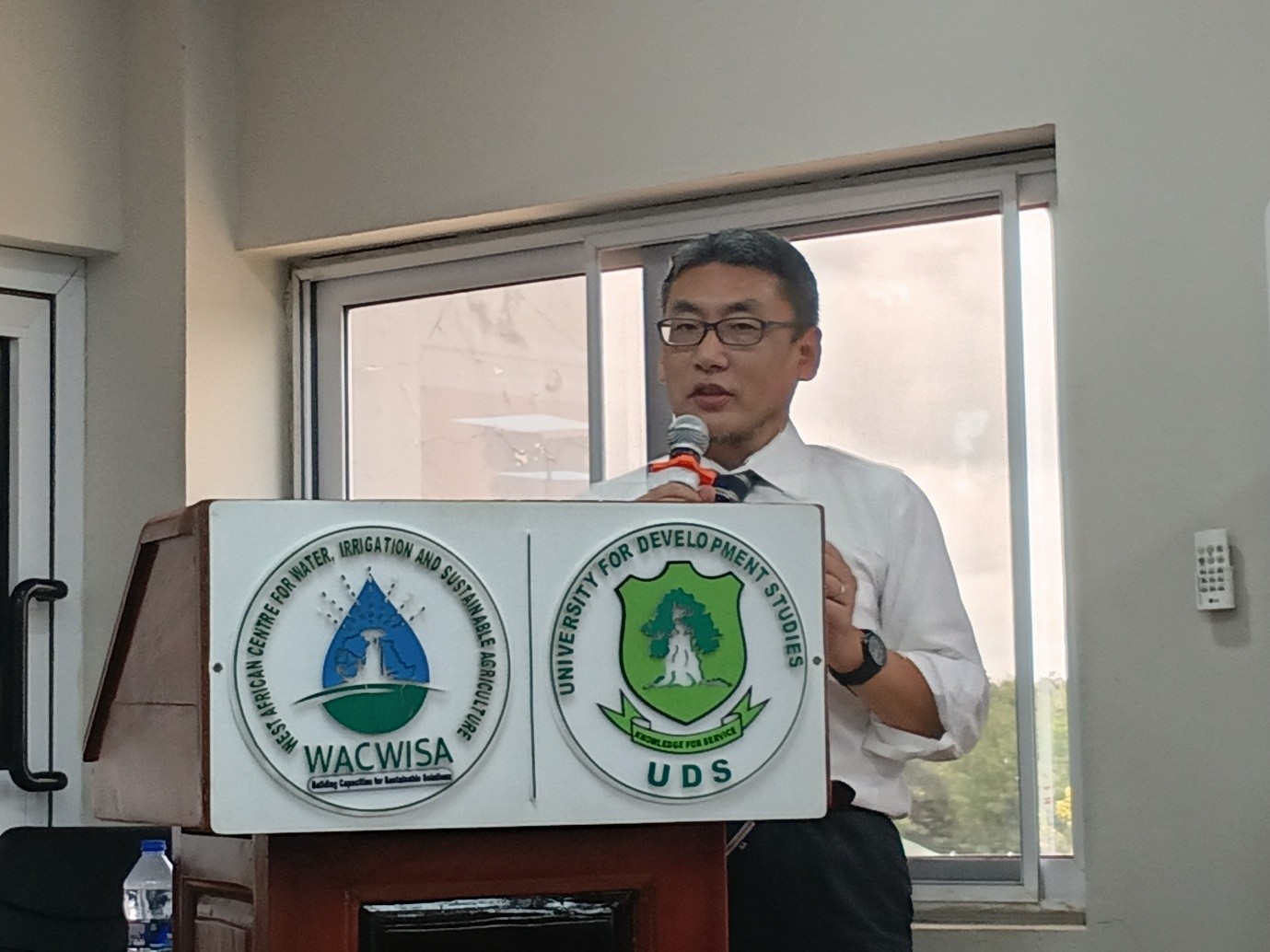
Delivering his address, the Vice-Chancellor, Prof. Seidu Al-hassan, described the TTFPP as the unique flagship programme that distinguishes UDS from other universities. He said the programmes gives practical meaning to the University’s mandate of blending the academic world with that of the community in order to provide a constructive platform for the total development of Ghana.

Prof. Al-hassan explained that the programme was designed purposely to address challenges facing rural communities. He said students are expected to spend the Third Trimester in assigned communities, where they will identify resources, opportunities and challenges, and later develop proposals to respond to those challenges.
He noted that the reports students produce at the end of their stay have, over the years, served as important primary data for some District and Municipal Assemblies in the preparation of their medium-to-long-term development plans. According to him, this makes the UDS model one of the most practical contributions of higher education to national development.
“This is the kind of education Ghana needs now; education that inspires and mobilises people to solve problems,” the Vice-Chancellor stated in the speech. He added that UDS is a development-oriented university whose programmes are designed to help solve real problems and contribute to national development.

Prof. Al-hassan also reminded the students that their assigned communities would become their campuses for the next seven to eight weeks. He urged them to obey the rules and regulations in the Junior Members’ Handbook, respect local customs and traditions, avoid risky behaviour and maintain the highest standards of discipline.
He cautioned them against leaving their communities without permission from their District Coordinators and advised them to be each other’s keeper. He further reminded them that the University’s sexual harassment policy remains fully in force during the programme.
The Vice-Chancellor also announced opportunities available to outstanding student groups and individuals through the Vice-Chancellor’s Community Excellence Award Scheme. He indicated that groups and individuals who demonstrate exceptional leadership, mobilise communities effectively or go the extra mile to seek funding for their projects stand the chance of winning prizes.
He further disclosed that Professor Hewitt of Morehouse College in the United States of America had offered support for the award scheme through a 10,000-dollar Unifying Energies Award, which will support the best proposal designed to address an important development challenge in the students’ host communities.
The Vice-Chancellor also acknowledged the University’s collaboration with UNICEF and the OR Foundation. He said the two organisations would leverage the TTFPP platform to undertake outreach activities, with UNICEF focusing on education to help curb child marriage in the Upper East and Upper West Regions, while the OR Foundation would support sensitisation on the Kayayei phenomenon.
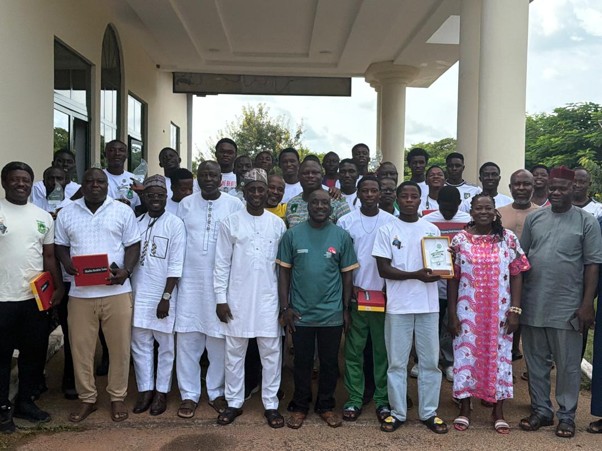
Also present at the orientation were the Registrar of UDS, Mr. Nurudeen Issah Abubakar; the Principal of the Nyankpala Campus and In-coming Vice Chancellor, Prof. Mohammed Muniru Iddrisu, the Director of Finance, Dr. Mohammed Hardi Shaibu; the Director of Works and Physical Development; the Director of the Directorate of Community Relations and Outreach Programmes; as well as other Deans and Directors of the University.

The programme ended on a lively note when an unofficial competition was organised to identify the student who could best sing the UDS anthem. The three winners received cash prizes of GHC 600, GHC 700 and GHC 1,000, respectively, through contributions from University Management and Deans and Directors present.
The spontaneous competition brought colour, excitement and a strong sense of institutional pride to the close of the orientation, as the students prepared to move from lecture halls into communities where the UDS philosophy of practical, community-based education would once again be brought to life.
Story by: Abdul Hayi Moomen
UDS Media
View your student profile, register your courses, etc.
Access learning material on the University's e-Learning platform
Access the University library's resources
Search for and view staff profile