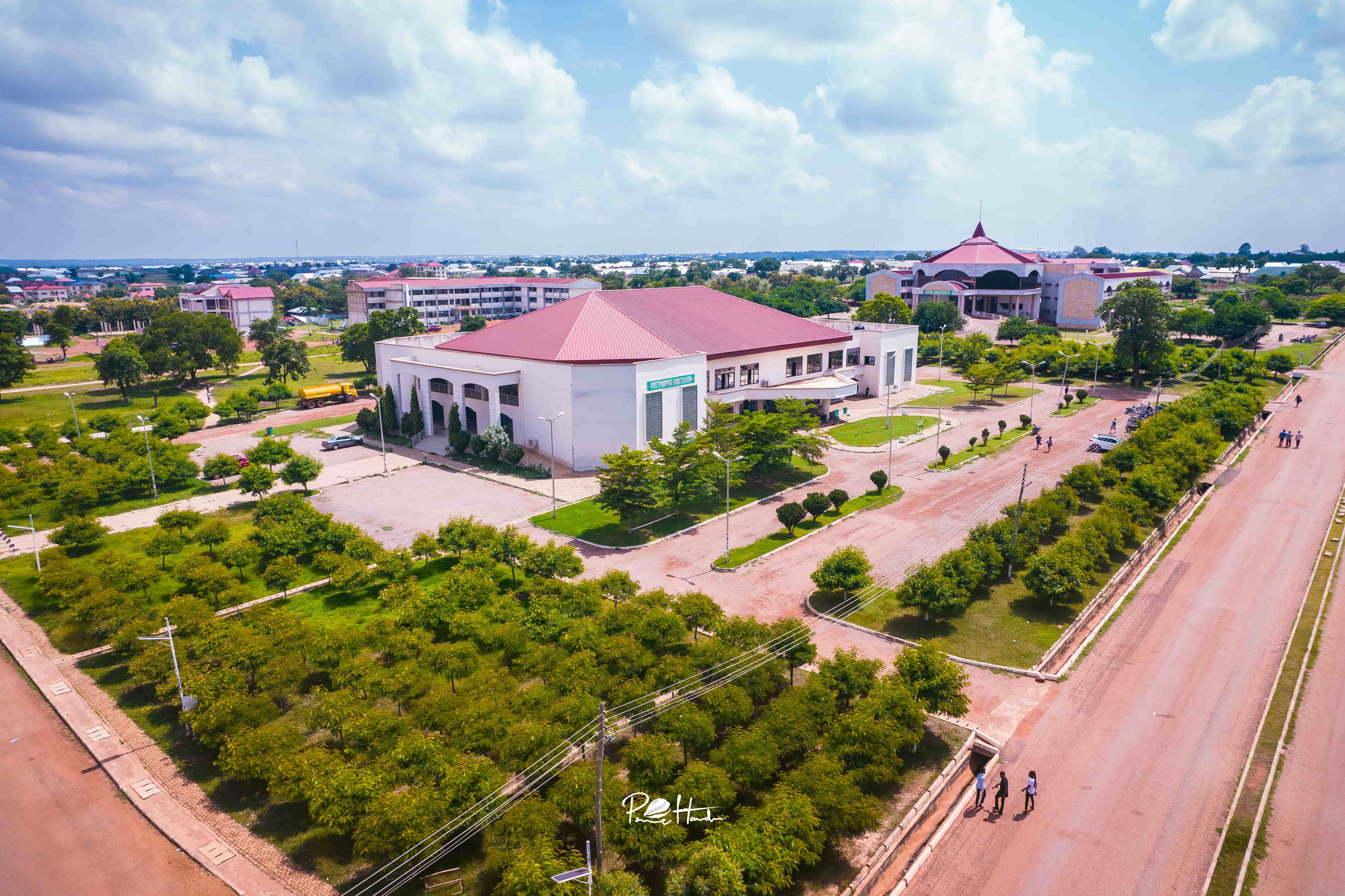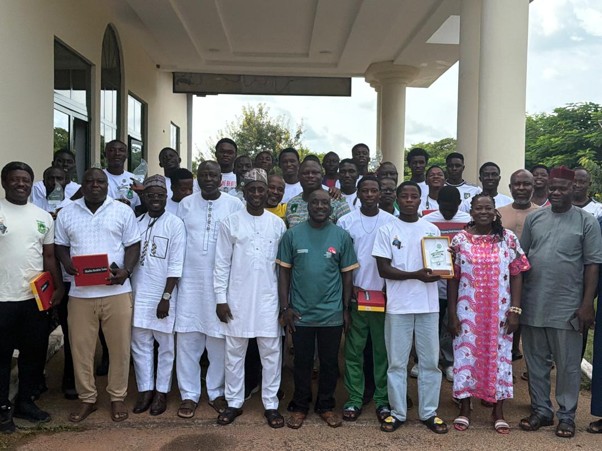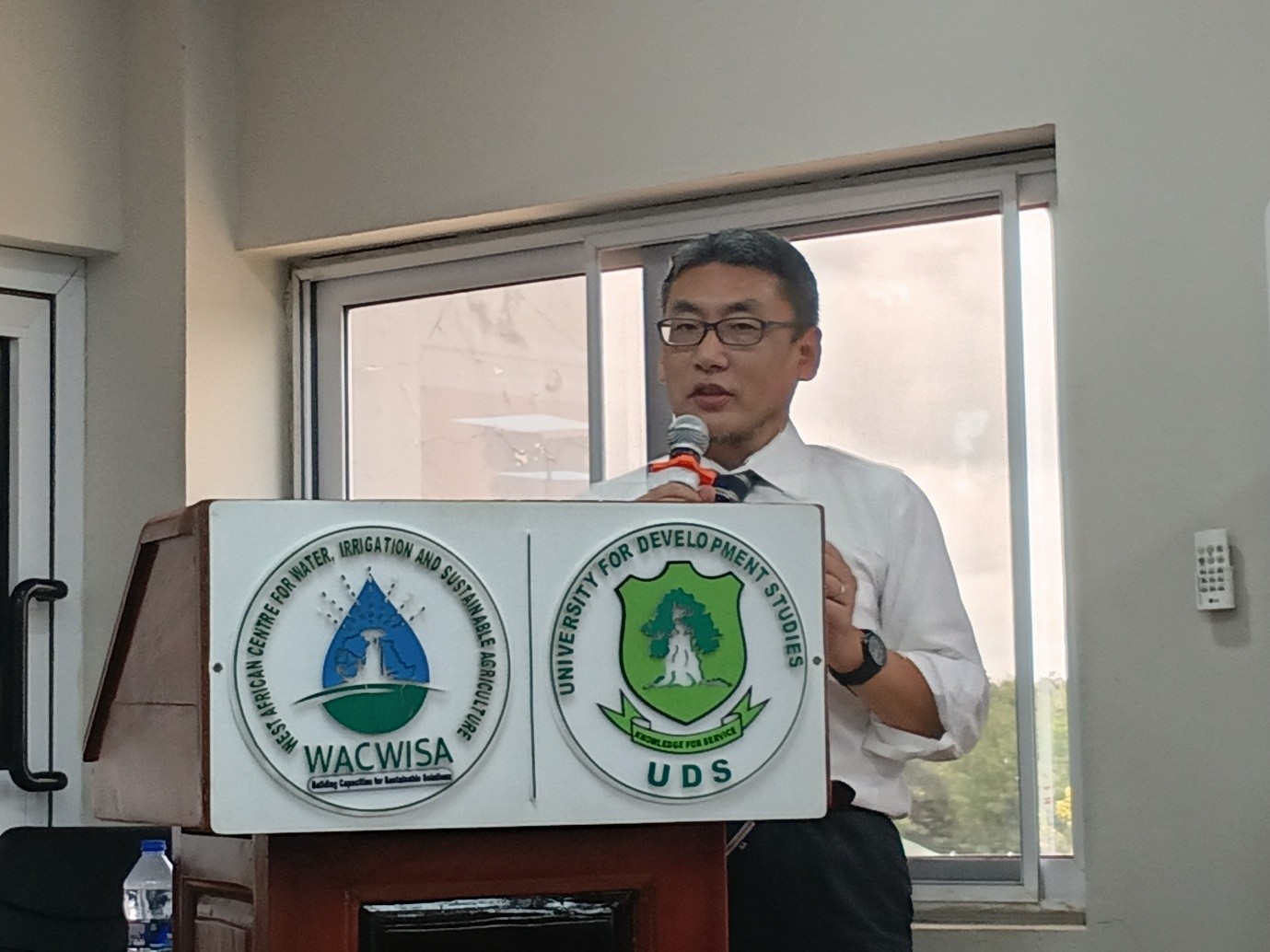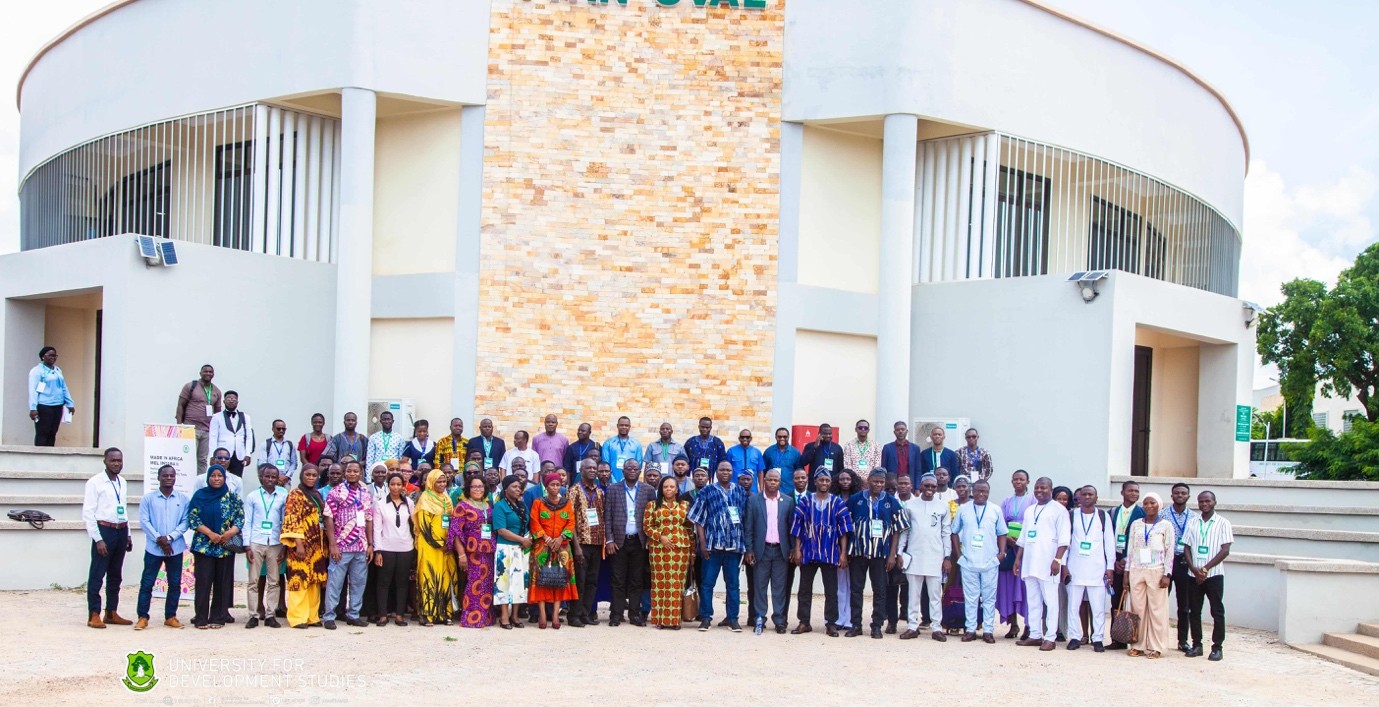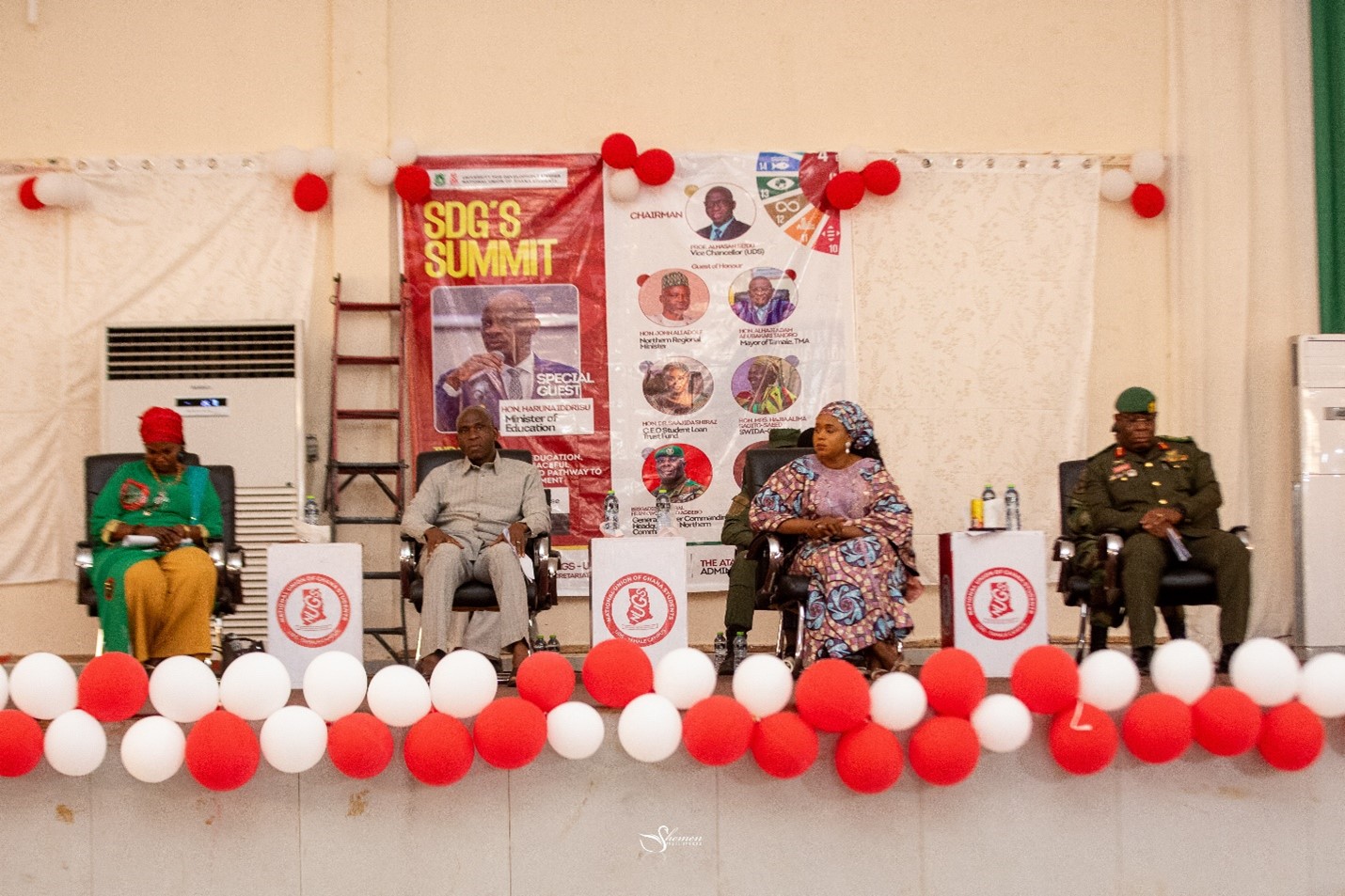
The University for Development Studies (UDS) Tamale Campus National Union of Ghana Students (NUGS) has successfully hosted the 2026 Sustainable Development Goals (SDGs) Essay Writing Competition and Summit at the Multipurpose Auditorium of its Tamale Campus.
Held on 14th February 2026 under the theme, “Beyond the Degree: Leveraging Quality Education (SDG 4) and Gender Equality (SDG 5) to Rebuild Peaceful, Just and Strong Public Institutions (SDG 16) in Ghana,” the summit challenged students to critically explore how inclusive education and gender equity can strengthen public institutions and accelerate sustainable development in Ghana.
Following the close of submissions, essays were received from students across various programmes and academic levels. To ensure fairness, objectivity and academic credibility, each essay was independently reviewed and scored using a standardized professional rubric.
The organizers noted that the transparent evaluation process upheld the University’s academic integrity and reinforced its commitment to excellence.
In his welcome address, Mr. Atanga Baba Elvis, Central NUGS President of the UDS Tamale Campus, commended his predecessors for initiating what he described as a forward-looking and nationally relevant platform.
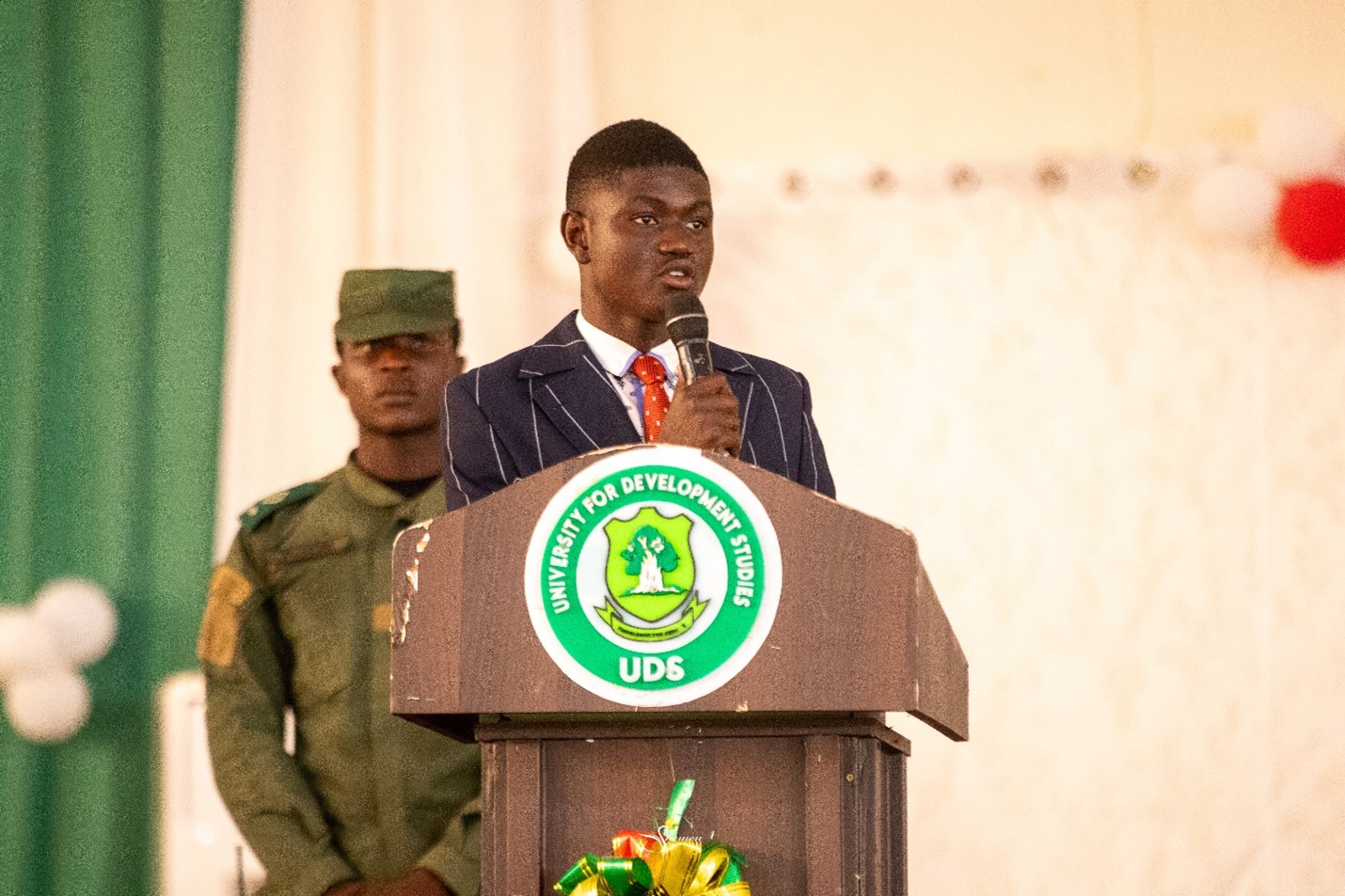
“This initiative is critical to national development,” he said. “I congratulate all participants for their intellectual effort and encourage students to continuously engage in platforms that sharpen critical thinking and leadership skills.”
The Vice-Chancellor of UDS, Prof. Seidu Al-hassan, who chaired the summit, praised students for consistently projecting the University onto the global stage through academic excellence and innovation.
“Exploring the Sustainable Development Goals as research areas provides practical pathways for societal transformation,” he stated. “Higher education institutions must serve as incubators of ideas that address real-world challenges.”
Delivering an address on SDG 4 (Quality Education), Dr. Saajida Shiraz, Chief Executive Officer of the Students Loan Trust Fund (SLTF), underscored the importance of inclusive access to tertiary education, particularly SDG Target 4.3, which promotes equal access to affordable and quality technical, vocational and tertiary education.
“The SLTF exists to reduce financial barriers and enhance equitable access,” she explained. “By providing financial support in the form of loans to students in accredited tertiary institutions, we are investing directly in Ghana’s human capital.”
Dr. Shiraz commended the NUGS executives for organizing the summit, describing it as “a platform that nurtures critical thinkers who will serve as valuable human resources for national development.”
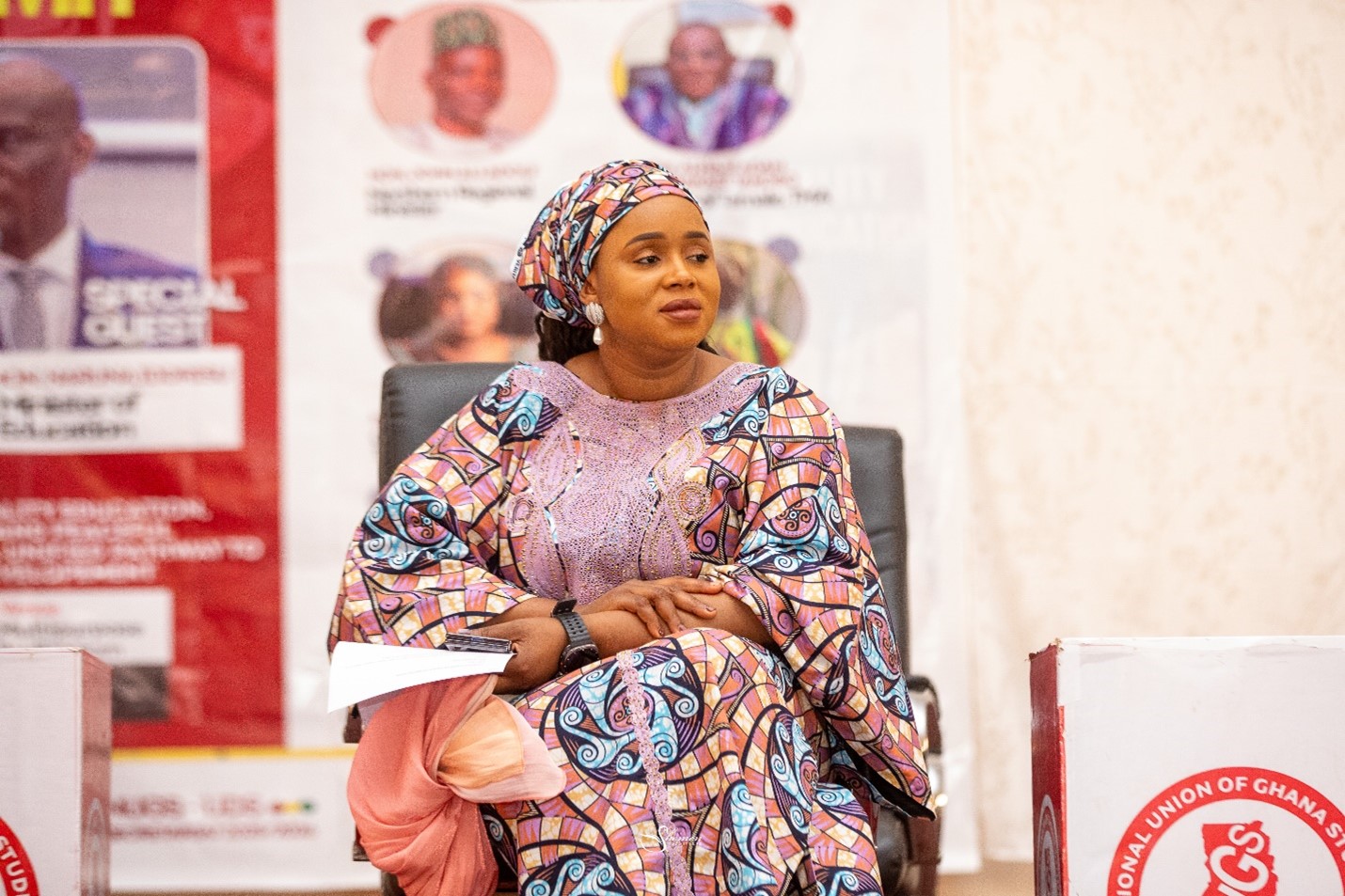
Addressing SDG 5 (Gender Equality), Madam Halima Sagito Saeed, Executive of the Savannah Women Integrated Development Agency, delivered a passionate call to action.
“Gender equality will not happen by accident; it will happen by action,” she declared.
She urged participants to envision and build a Ghana where no girl drops out of school because of poverty, no woman is silenced by violence, no person with disability is excluded, and no young leader is told they do not belong.
“We must move from commitment to implementation, from policy to practice, and from equality to equity,” she added.
Providing the student perspective, Ms. Rukaya Hussein, former Central SRC President, challenged prevailing stereotypes around leadership and gender.
“Leadership belongs to competence, vision, integrity and dedication,” she remarked. “Leadership positions on campus and beyond must be evaluated based on ideas, character and ability to serve, not gender biases.”
Delivering the keynote on SDG 16 (Peace, Justice and Strong Institutions), Frank Worlanyo-Agbebo, Commanding Officer of the Northern Command, emphasized the interconnectedness of quality education, gender equity and institutional strength.
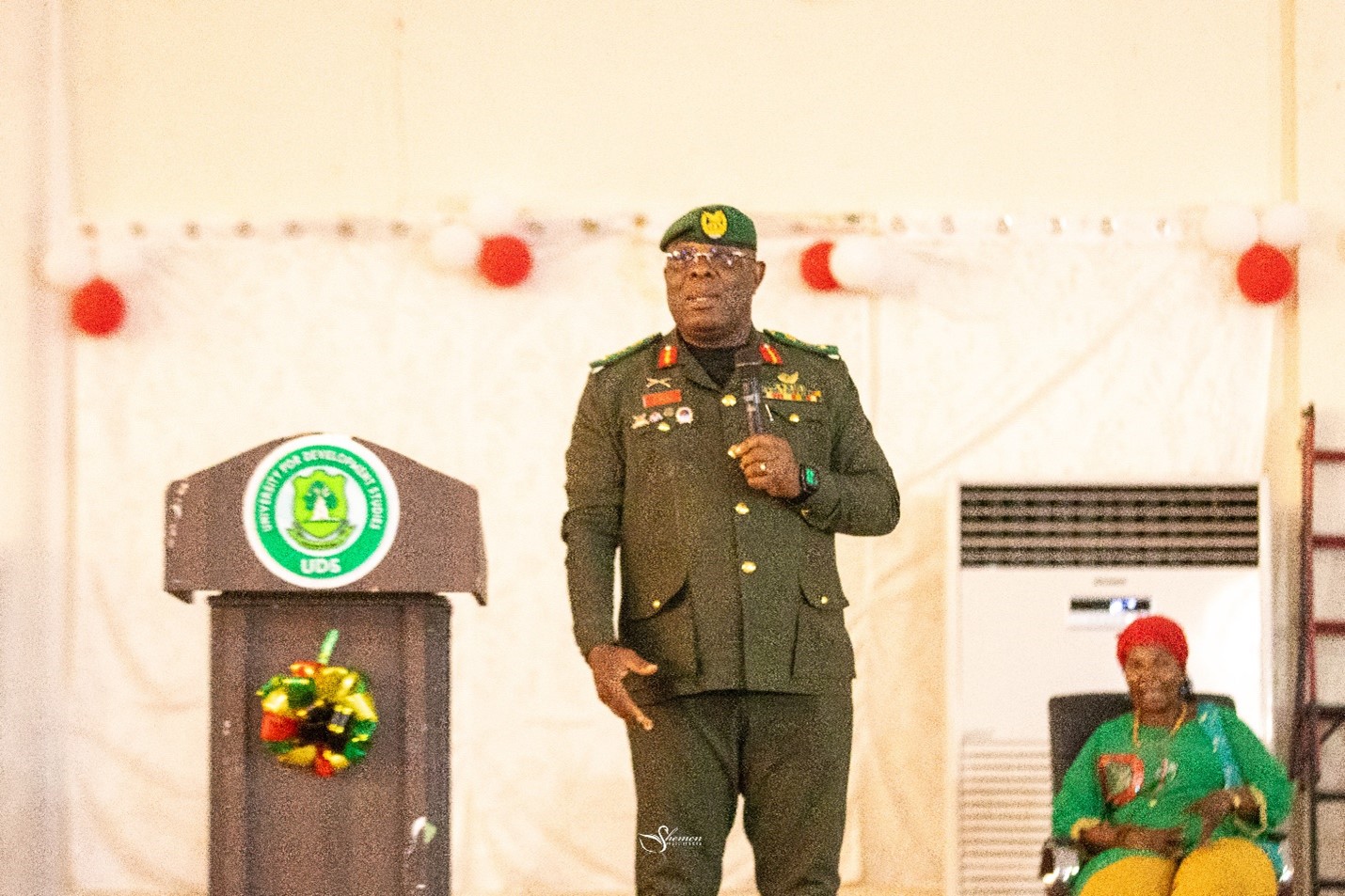
He highlighted the critical role of security institutions in safeguarding peace and fostering trust between institutions and citizens, particularly the youth.
“Advancing quality education, gender equity and peaceful institutions is not optional; it is essential for sustainable development,” he stated. “This summit provides an opportunity for the next generation of leaders to reimagine Ghana’s future through innovation, inclusivity and unity.”
He further underscored youth responsibility, civic discipline and patriotism as indispensable pillars of democratic governance.
The summit reached its climax with the announcement of winners of the 2026 SDGs Essay Writing Competition.
Miss Djokotoe Asher Elorm, a Level 300 BSc Public Health student, emerged as the first prize winner. Mr. Razzaq Akeem, a Level 500 Doctor of Medical Laboratory Science student, placed second, while Mr. Antwi Jahbless Yaw, a Level 200 Doctor of Pharmacy student, secured third position.
The first prize winner received a certificate and GHC500, the second prize winner received a certificate and GHC350, and the third prize winner received a certificate and GHC250.
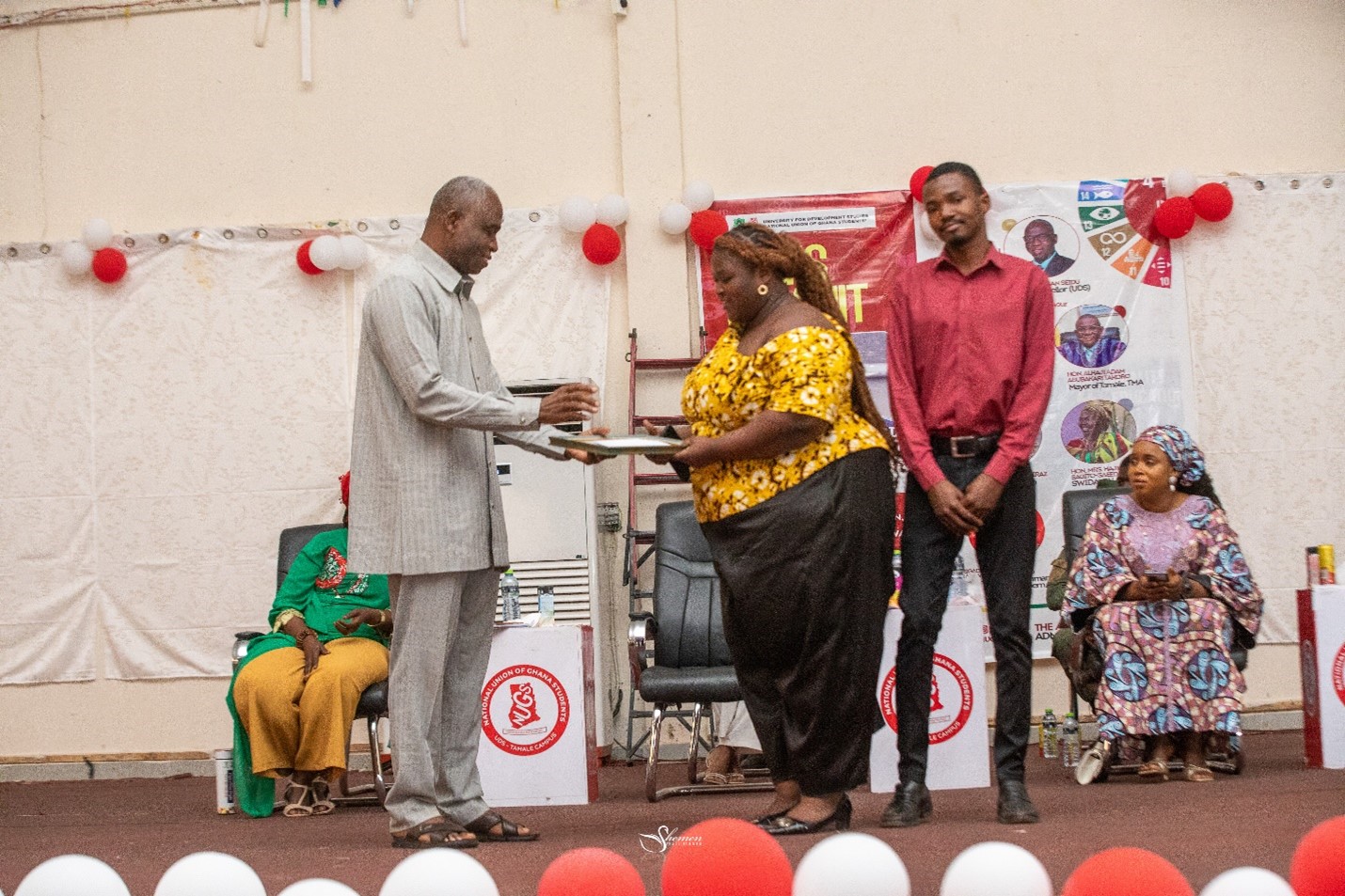
In a gesture of support for youth empowerment and academic excellence, Dr. Shiraz pledged additional cash awards of GHC2,500 for first prize, GHC1,500 for second prize, and GHC1,000 for third prize, significantly enhancing the prize package and further motivating students to strive for excellence.
The 2026 SDGs Essay Writing Competition and Summit reaffirmed UDS’ commitment to aligning its academic activities with global development priorities. By encouraging students to move “beyond the degree” and critically engage with the intersections of education, gender equality and institutional reform, the initiative reinforced the University’s mission to produce graduates equipped not only with knowledge but also with the vision and responsibility to contribute meaningfully to Ghana’s development.
The summit concluded with a renewed call for students to translate academic knowledge into practical solutions that strengthen public institutions and promote sustainable peace and justice.
Story by:
Hamdan W. Amadu
UDS Media
View your student profile, register your courses, etc.
Access learning material on the University's e-Learning platform
Access the University library's resources
Search for and view staff profile