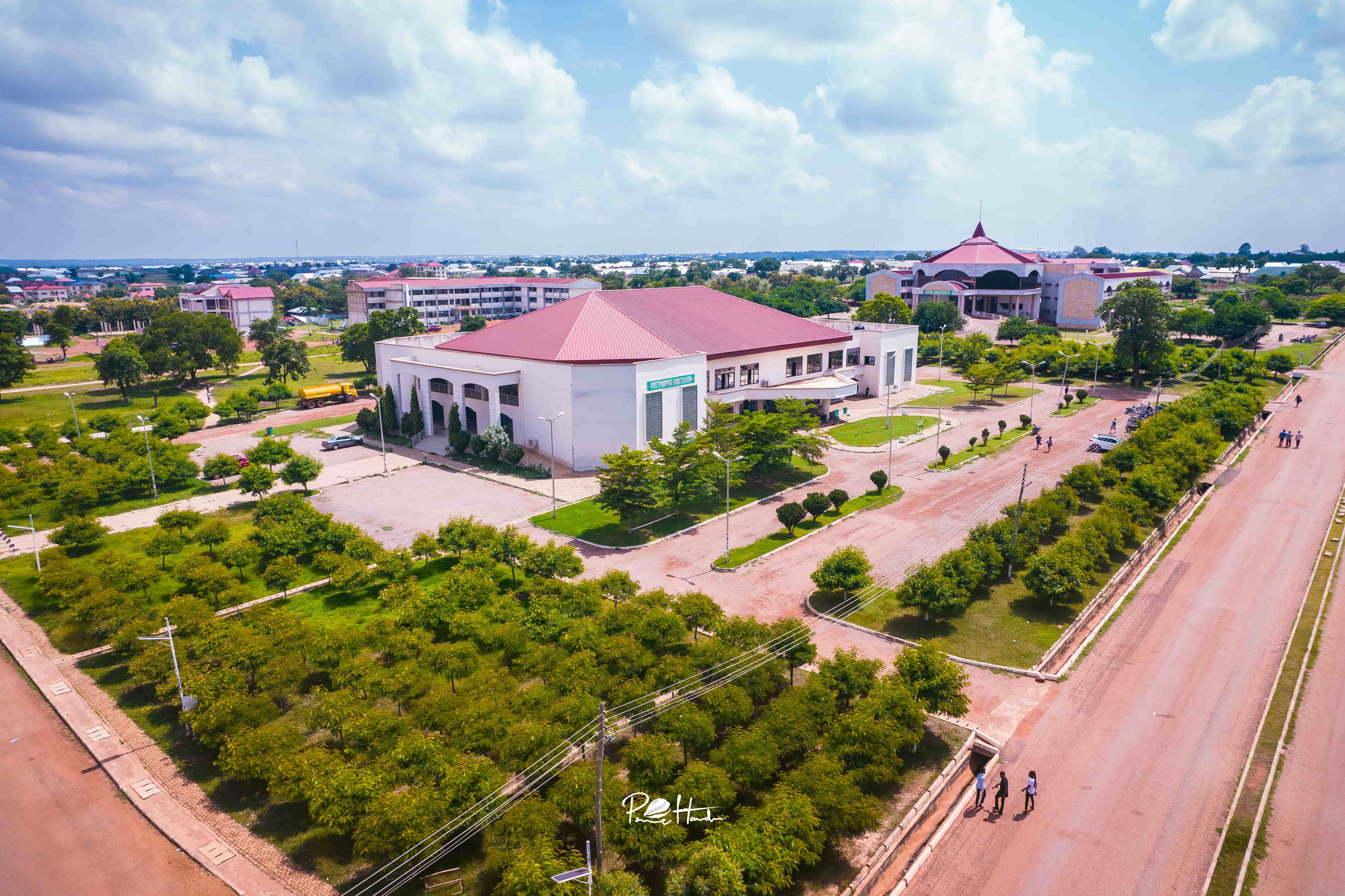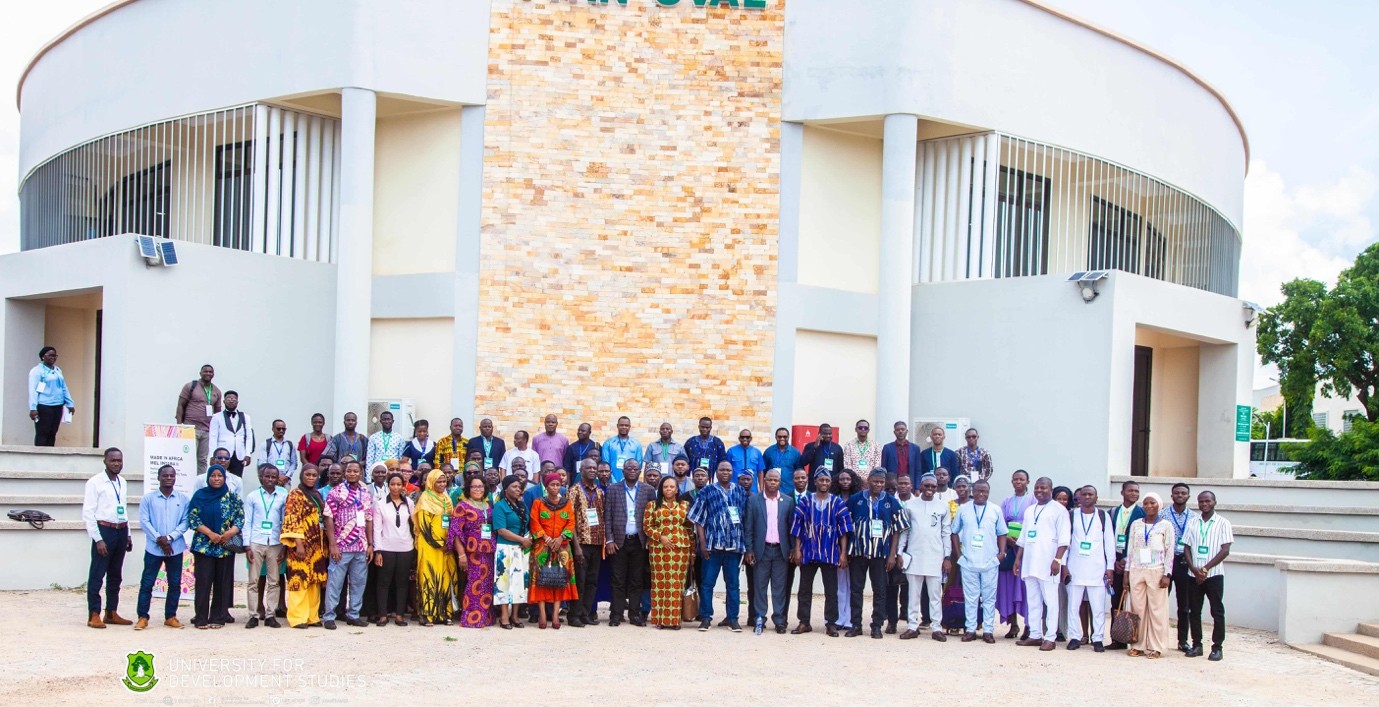
The School of Dentistry, established in 2023 and accredited by the Ghana Tertiary Education Commission (GTEC) and the Medical and Dental Council in 2024, is the first dental school in Northern Ghana. It offers a six-year Bachelor of Dental Surgery (BDS) programme designed to train highly skilled dental professionals to serve the needs of the region and the nation at large. Guided by its mission to become a premier community-based institution, the school is committed to providing excellent dental care while addressing the longstanding inequitable distribution of dental professionals across the country. During the pre-clinical phase, students pursue a BSc in Human Biology at the School of Medicine of the University for Development Studies, building a strong foundation in the basic medical sciences before transitioning to clinical training at the School of Dentistry.
The School of Dentistry currently comprises five departments:
These departments collectively support a curriculum rooted in problem-based learning (PBL) and the University’s flagship Community-Based Education and Service (COBES) model, which equips students to work effectively in underserved communities. This approach is particularly relevant given the critical oral health challenges in Ghana. Major hospitals across the country have seen a significant rise in demand for dental services, yet many communities—especially in the northern regions—lack both facilities and qualified personnel. With only about 500 dentists serving a national population of 31.8 million, and approximately 80% of them located in southern Ghana, the northern sector is left with barely 100 dentists for a population of over 5.8 million. This translates to one dentist serving more than 58,000 people, leaving many residents with untreated dental conditions or resorting to unorthodox therapies.
The establishment of the School of Dentistry in the northern sector is therefore a timely and transformative intervention—an idea that has been on the drawing board for more than a decade. The northern sector spans five regions, covering 143,019 km² and home to over 5.8 million people, many of whom are peasant farmers with an annual income below USD 500. This makes travelling nearly 400 km to access dental care extremely difficult. Additionally, the predominant use of motorbikes and tricycles as means of transport contributes to a high prevalence of road traffic accidents, often affecting the oral and maxillofacial structures. The BDS programme seeks to address these gaps by training dentists who will not only treat oral diseases but also promote oral health, provide community education, and expand access to advanced dental care across Northern Ghana and the entire nation.
The school currently has a student population of 39 (19 second year and 20 first years).
AIM
The Bachelor of Dental Surgery programme aims at training highly skilled dental surgeons to provide much needed oral health care to Ghanaians, but especially the people of the northern part of Ghana.
VISION
To be an outstanding oral health professional training institution, demonstrating excellence in rural oral health, research, professional training, healthcare delivery, and community service through innovation and high performance.
MISSION
To establish a community-based School of Dentistry that delivers first-class dental care to the doorstep of communities in Northern Ghana and neighboring countries, utilizing graduates trained by the school to bridge the gap in the inequitable distribution of dentists in GhanaMotto: Oral Health, Our Concern
CORE VALUES
The BDS programme is anchored on the following underlisted core values:
OBJECTIVES
The specific objectives of the Bachelor of Dental Surgery programme are to:
PHANTOM HEAD LABORATORY
The school of dentistry has 10 pair of Phantom heads set up in the Phantom head laboratory. The phantom head lab provides a simulated environment where dental students learn and practice essential pre-clinical skills such as cavity preparation, tooth restoration, scaling and polishing, and prosthodontic procedures before treating real patients.
Phantom heads mimic the oral cavity, jaws, and patient positioning, allowing students to experience realistic clinical scenarios, including ergonomics, instrument handling, and operative field orientation.
It provides a safe, controlled setting where students can make mistakes and learn from them without causing harm to patients, helping them build confidence and competence.
View your student profile, register your courses, etc.
Access learning material on the University's e-Learning platform
Access the University library's resources
Search for and view staff profile